Eastern Region Information
240+
meters above sea level540,000 كم²
Area size11
Province3700+
Tourist site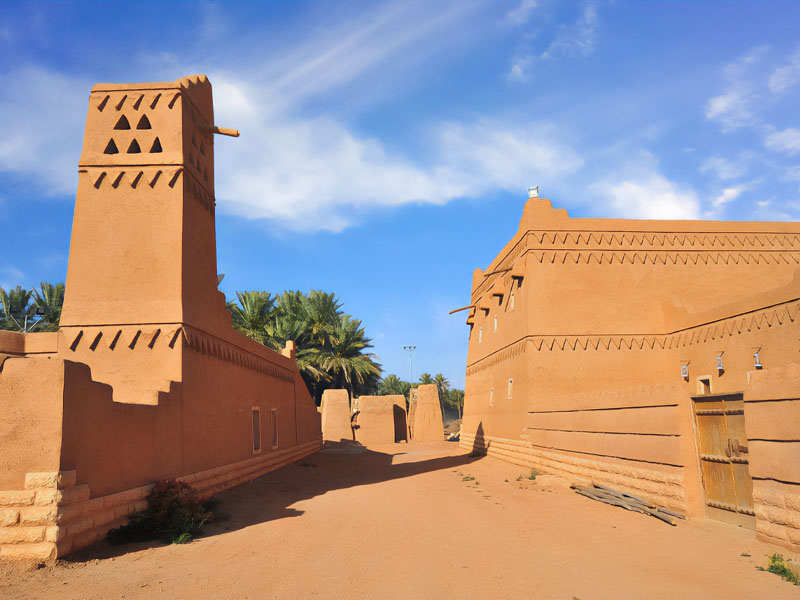
Civilization in the East
The Eastern Region is home to ancient civilizations dating back thousands of years, as evidenced by historical sites such as Tarout Island and Thaj. It features a unique blend of ancient past and developed present, hosting industrial cities and global commercial centers. The East witnessed a major civilizational transformation with the discovery of oil, making it a model for rapid economic and urban development.
Clothing in the East
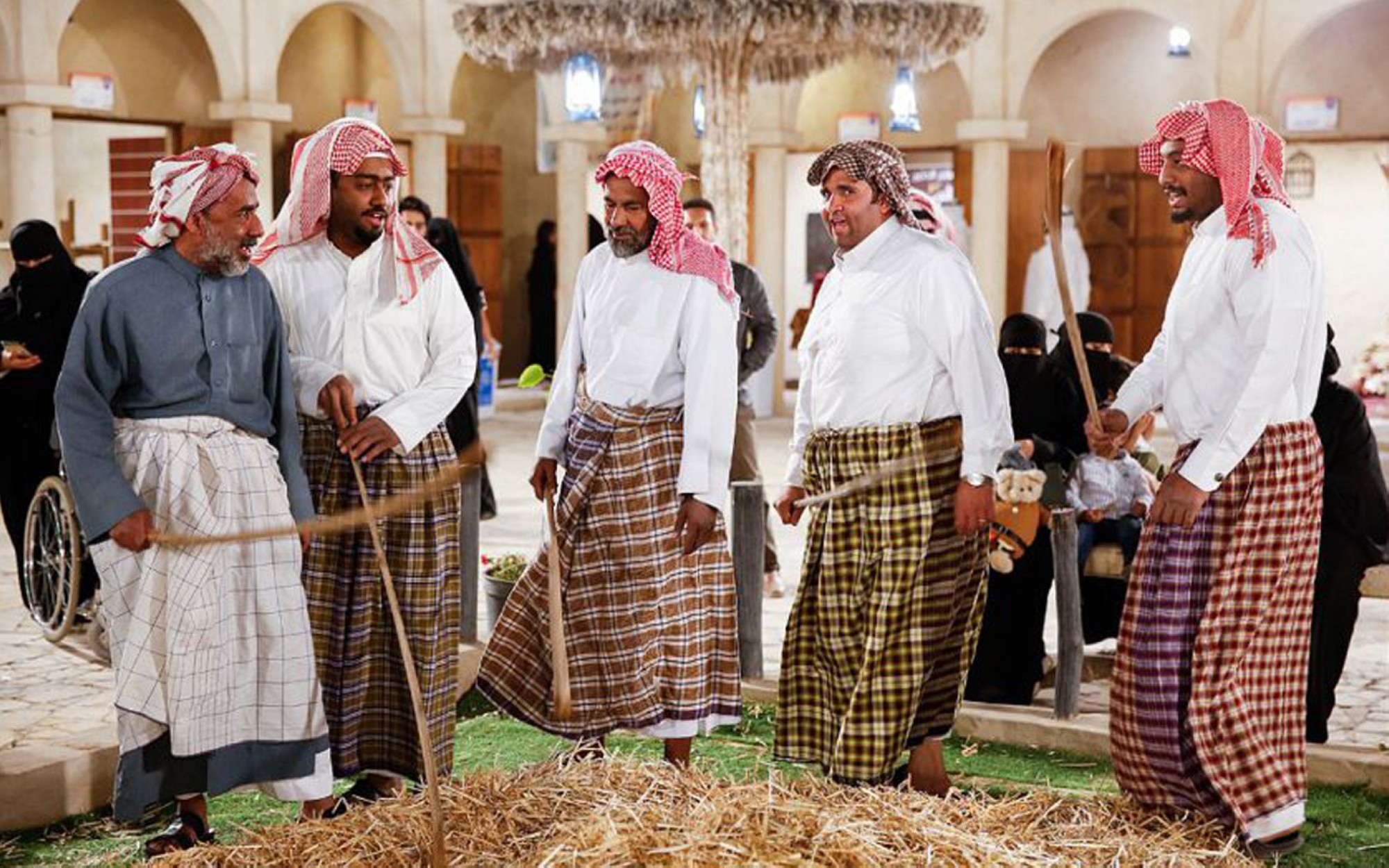
Traditional clothing in the Eastern Region is influenced by maritime culture and trade with the Gulf. Men wear white thobe and white ghutra or red shemagh, with the Gulf bisht embroidered with gold threads for occasions. Women wear clothes decorated with maritime embroidery, makhamer and draas adorned with zari, with traditional bukhnuq and gold jewelry of Gulf character.
Customs in the East
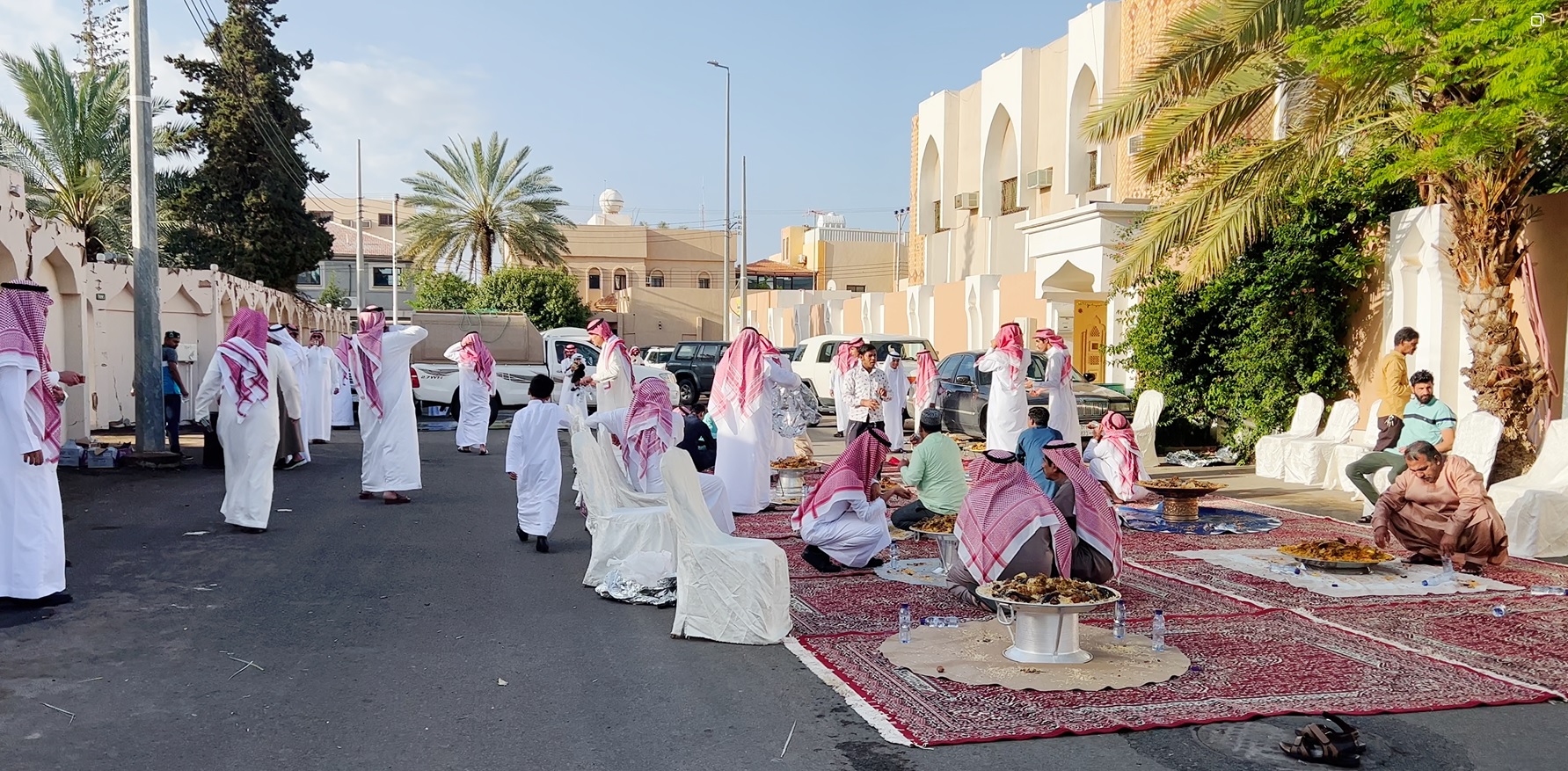
The Eastern Region is famous for its traditions related to both the sea and the desert. Its people are distinguished by generous hospitality and serving Arabic coffee, dates, and Gulf sweets. Folk arts are rich in Gulf arts such as Ardah, Samri, and Liwa, and maritime festivals and traditional camel and horse races are held. Families inherit traditional crafts related to diving, fishing, and shipbuilding.
Food in the East
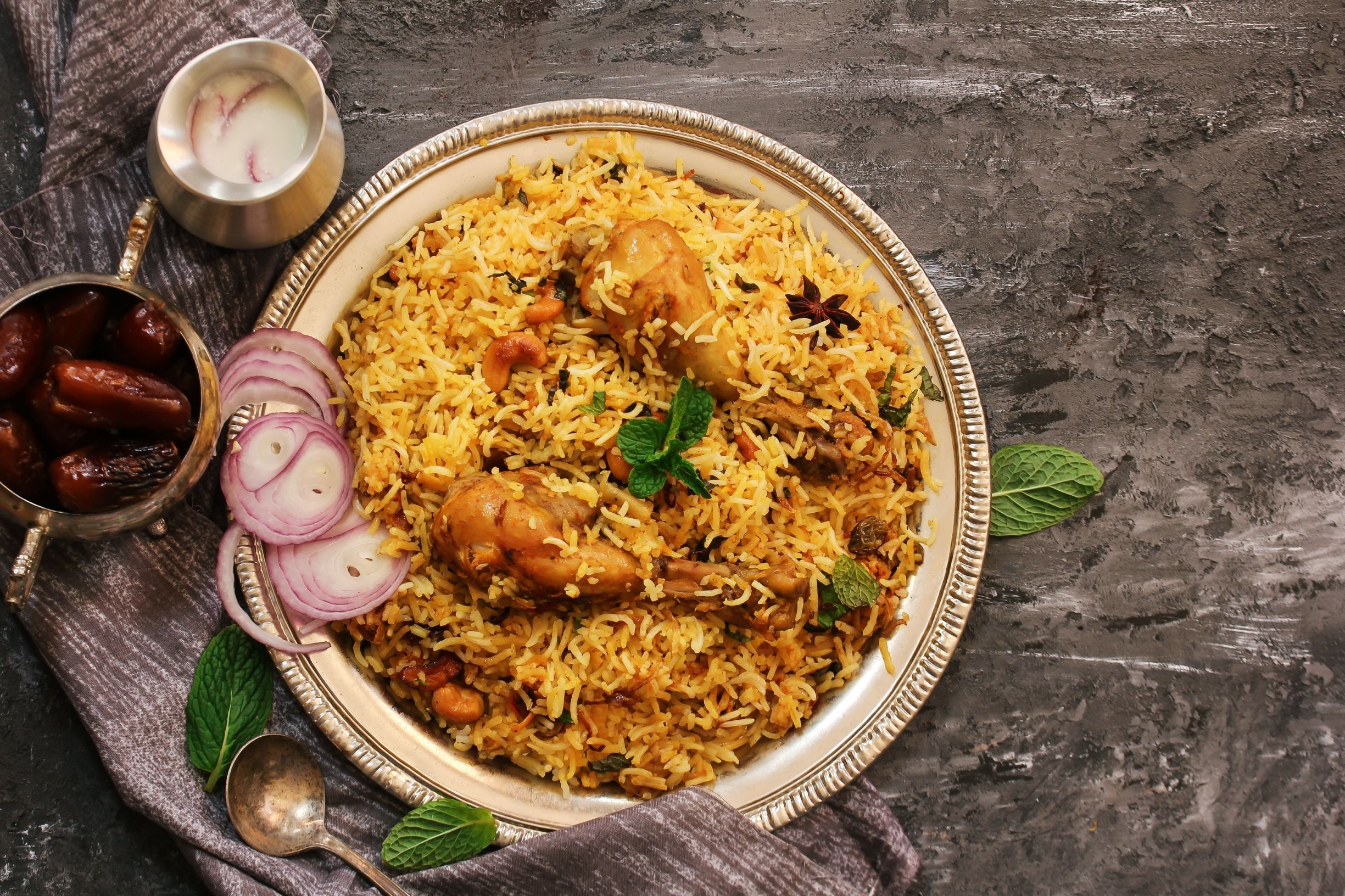
Famous for diverse dishes combining seafood and land food, such as Mutabbaq, Murabian, Muqalqal, and Haris. Rich seafood like shrimp, hamour, and safi, and popular sweets like Khabisa, Sago, and Asida. Eastern cuisines are characterized by a blend of Gulf flavors and local spices, with influences from Indian and Persian cuisines due to trade exchange across the Gulf.
Tourist Landmarks
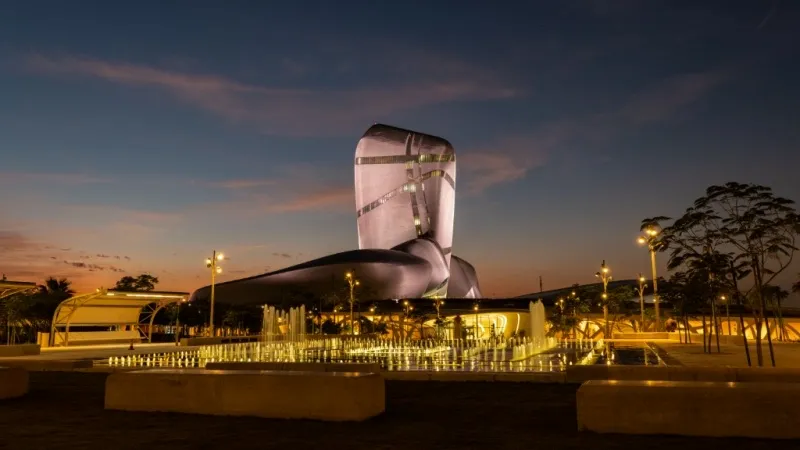
Dammam and Khobar Corniche, King Abdullah Economic City, Jubail Islands and Tarout Island. Landmarks vary between beaches, marine parks, popular markets, and modern shopping centers. Green oases in Al-Ahsa (Al-Ahsa Oasis registered in UNESCO) and ancient water springs form distinctive tourist destinations. The region witnesses major development projects such as NEOM project which extends to parts of it.
Architecture in the East (Gulf Architecture)
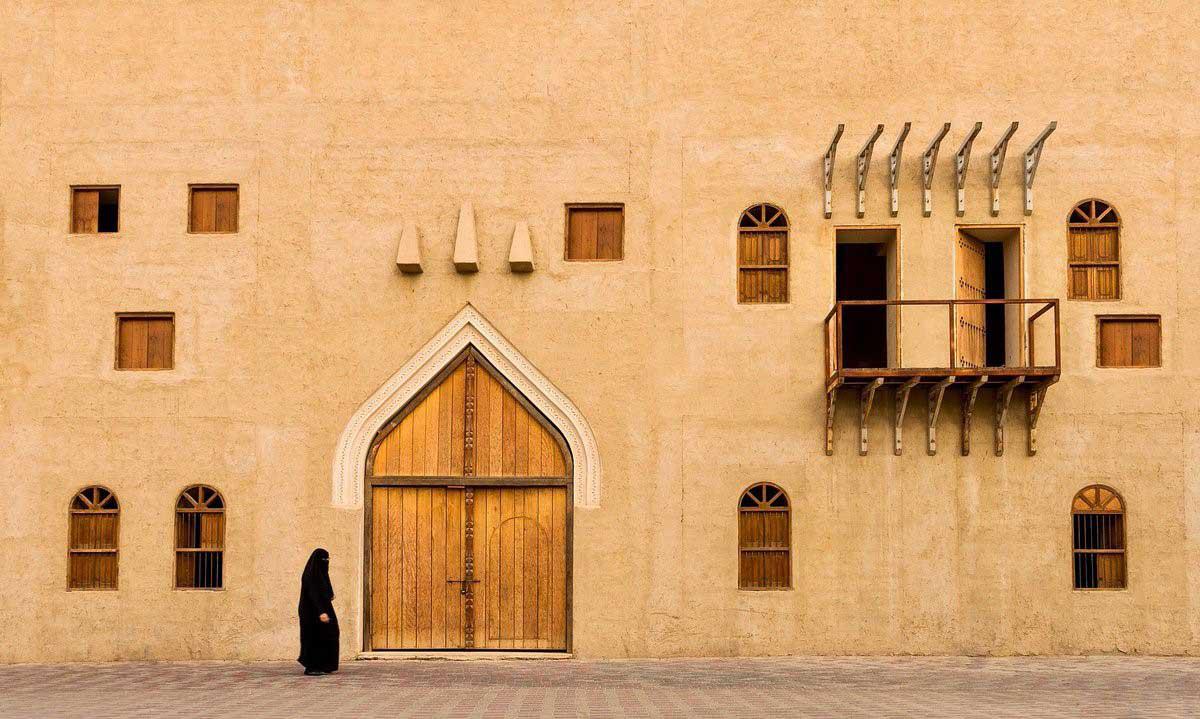
Traditional mud and stone houses with wind towers for natural ventilation and spacious inner courtyards. Historical forts such as Qatif Fort and Al-Qashla Fort, and heritage palaces such as Al-Bayah House in Al-Thuqbah. Modern architecture features skyscrapers and glass buildings that reflect the region's economic and technological development.